thumbnail image

office lalombe

  • Home
  • Research 
    • Grant
    • Overview
    • Tile Archaeology
  • Publication 
    • Research Paper
    • Books
    • Dissertation
    • Media
    • Miscellaneous
    • Essays
    • Presentation
    • Lecture Presentation
  • Education 
    • Teaching
    • Global Health 2008-
    • Tabunka(SGHSS) 2014-2026
    • NU Env. 2004-2014
  • Contact
  • …  
    • Home
    • Research 
      • Grant
      • Overview
      • Tile Archaeology
    • Publication 
      • Research Paper
      • Books
      • Dissertation
      • Media
      • Miscellaneous
      • Essays
      • Presentation
      • Lecture Presentation
    • Education 
      • Teaching
      • Global Health 2008-
      • Tabunka(SGHSS) 2014-2026
      • NU Env. 2004-2014
    • Contact
  • Search

Global Health & Ageing

Anthropology

Tile Archaeology

▶School of Tropical Medicine and Global Health

office lalombe

  • Home
  • Research 
    • Grant
    • Overview
    • Tile Archaeology
  • Publication 
    • Research Paper
    • Books
    • Dissertation
    • Media
    • Miscellaneous
    • Essays
    • Presentation
    • Lecture Presentation
  • Education 
    • Teaching
    • Global Health 2008-
    • Tabunka(SGHSS) 2014-2026
    • NU Env. 2004-2014
  • Contact
  • …  
    • Home
    • Research 
      • Grant
      • Overview
      • Tile Archaeology
    • Publication 
      • Research Paper
      • Books
      • Dissertation
      • Media
      • Miscellaneous
      • Essays
      • Presentation
      • Lecture Presentation
    • Education 
      • Teaching
      • Global Health 2008-
      • Tabunka(SGHSS) 2014-2026
      • NU Env. 2004-2014
    • Contact
  • Search

Global Health & Ageing

Anthropology

Tile Archaeology

▶School of Tropical Medicine and Global Health
  • Tile Archaeology

  • Portfolio

    Section image

    Research on Modern Japanese Ceramic Tiles: Ken Masuda and Akihiko Fukai

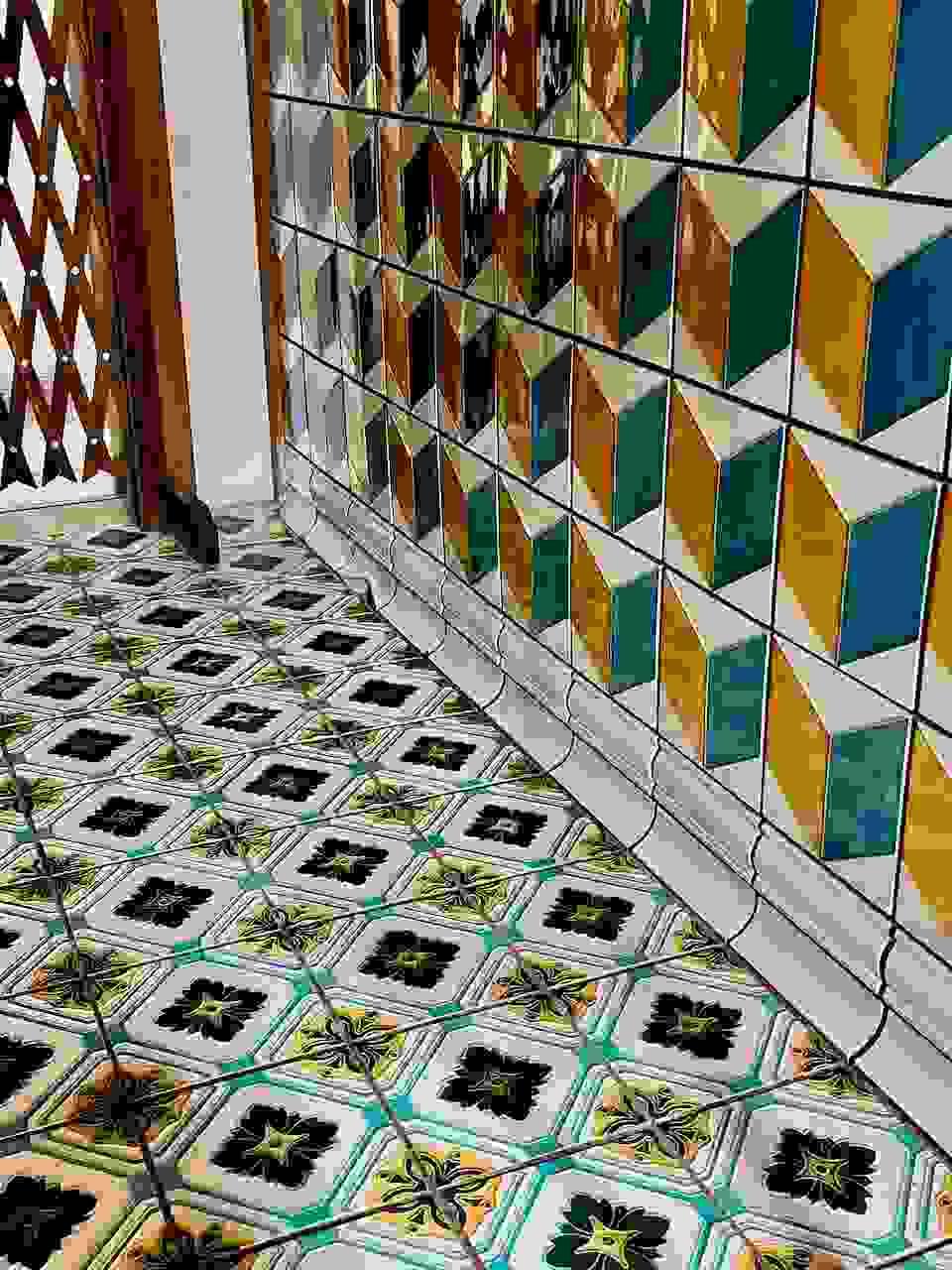
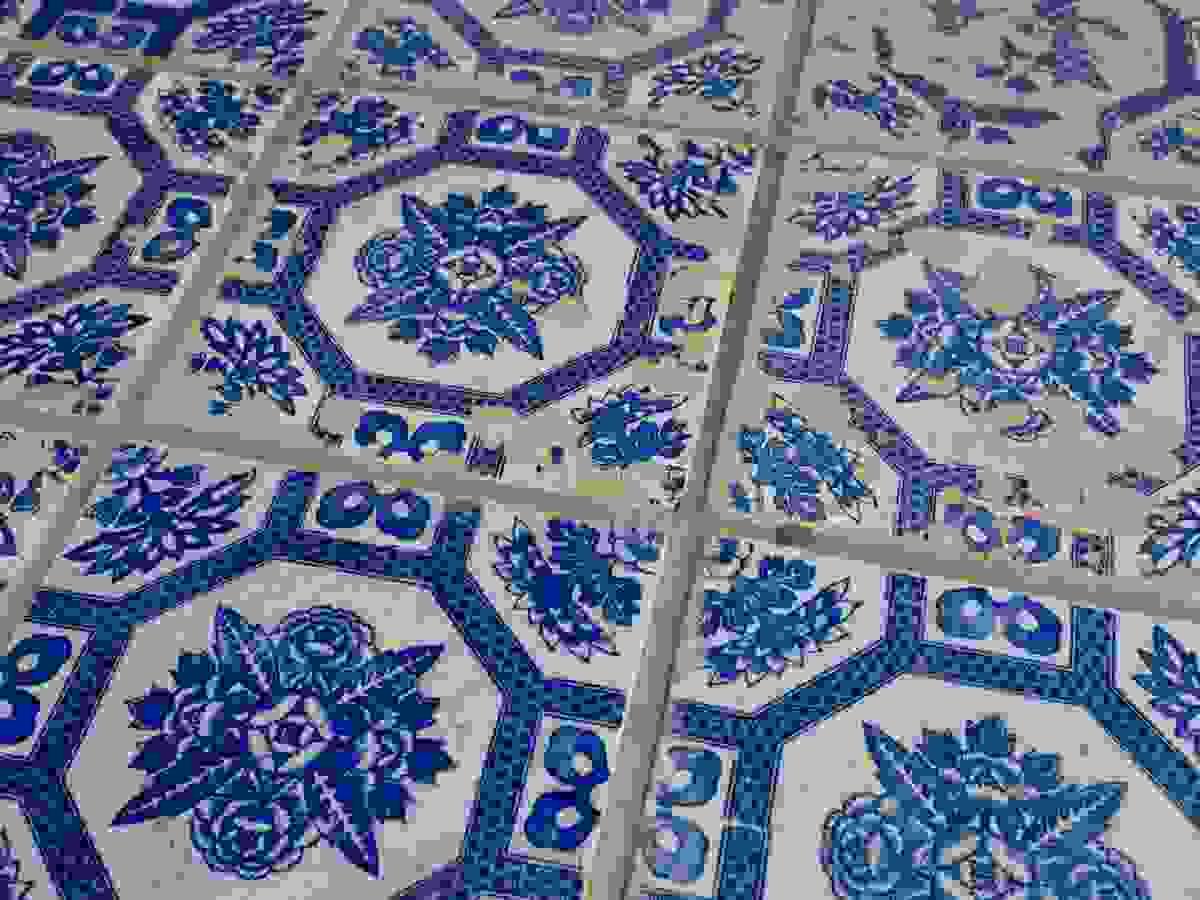
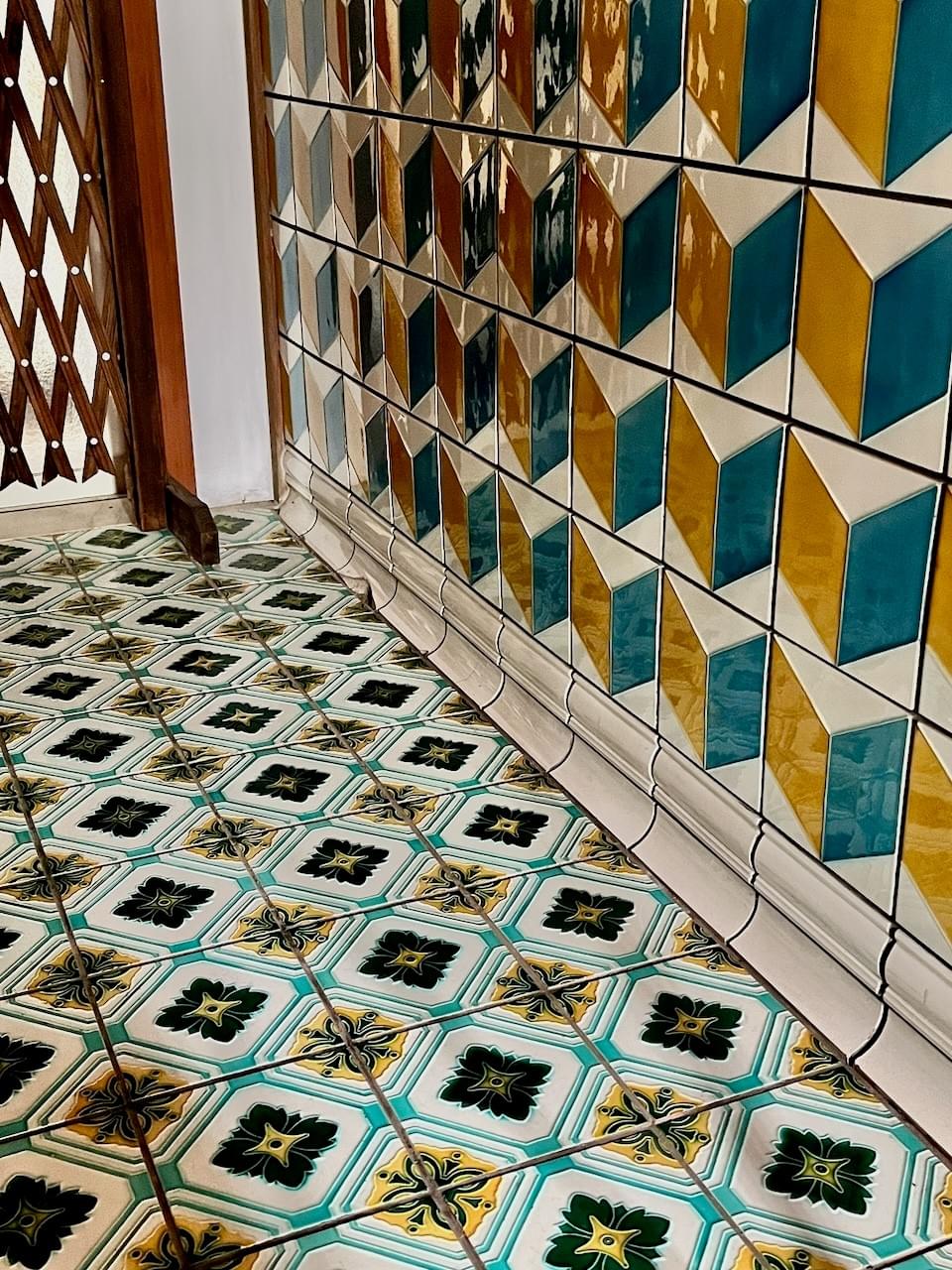
    Through his long-standing collaboration with archaeologist Akihiko Fukai, Ken Masuda studies modern Japanese ceramic tiles as material evidence of industrial production, circulation, architectural use, reuse, and disposal. Fukai is a leading scholar of “tile archaeology,” an approach that classifies and dates modern tiles through archaeological analysis of manufacturing techniques, dimensions, back marks, mould patterns, glazes, and traces of use. Masuda extends this approach into the fields of material culture studies, overseas trade history, modern architectural history, and the archaeology of everyday life and war memory.


    Their joint research in Zanzibar, Tanzania, demonstrates that Japanese majolica tiles were distributed and used in East Africa in the early twentieth century. Their study of the former Lessner House in Nagasaki documents the combined use of European and Japanese tiles in Meiji-era Western-style architecture, including rare examples produced by Awaji-seito. Their research along the Tenma River in Hiroshima further shows how tile fragments and construction debris can illuminate prewar urban life, atomic-bomb destruction, and postwar debris disposal. Together, these studies reposition architectural tiles as key material evidence connecting modern Japanese industrial history, global circulation, everyday life, war memory, and heritage conservation.
    Section image

    近代日本製タイル研究(増田 研・深井明比古 )

    考古学者・深井明比古氏との共同研究を通じて、近代日本製タイルを物質文化資料として捉え、その製造・流通・使用・廃棄の過程をタイル考古学の方法によって明らかにしている。深井氏は、近代タイルを考古資料として分類・編年する「タイル考古学」の中心的研究者であり、増田はその方法を、海外流通史、近代建築史、戦災地の生活史研究へと展開している。タンザニア・ザンジバルでは、日本製マジョリカタイルが20世紀前半に東アフリカへ流通していたことを墓地・骨董市場・ホテル調査から実証した。長崎市南山手の旧レスナー邸では、明治期洋館建築における輸入タイルと国産タイルの混在、とくに淡路製陶タイルの貴重な使用例を記録した。さらに広島市天満川では、原爆被災地に散布するタイル片を通じて、戦前の都市生活空間と戦災後の瓦礫処理を読み解く研究を行っている。これらの共同研究は、建築材料としてのタイルを、近代日本の産業化、海外輸出、生活史、戦災記憶、文化財保存をつなぐ資料として再定位するものである。
  • Research Overview

    Ken Masuda’s research on modern Japanese ceramic tiles has developed through an ongoing collaboration with archaeologist Akihiko Fukai. Drawing on his interests in African studies, medical anthropology, material culture studies, and modern and contemporary life history, Masuda approaches tiles as materials that reveal the movement of people, objects, technologies, aesthetic sensibilities, and living spaces. Akihiko Fukai, meanwhile, is a scholar who has proposed and developed the methodology of “tile archaeology,” based on his archaeological investigations of the Minpei kiln site on Awaji Island and his chronological studies of tiles produced by Danto.

    Their collaborative research is characterized by a comprehensive reading of tiles that goes beyond patterns and surface decoration. It examines manufacturing methods, dimensions, thickness, back moulds, makers’ marks, glazes, traces of installation, traces of removal, and contexts of collection or excavation. Through this approach, they reconstruct where modern Japanese tiles were produced, how they circulated, in what kinds of buildings, cemeteries, and living spaces they were used, and how they were later discarded or reused.

    Their research sites include Zanzibar in Tanzania, the former Lessner House in Minamiyamate, Nagasaki, and the Tenma River in Hiroshima, crossing different contexts such as overseas distribution history, modern architectural history, and the life history of war-damaged urban areas. Their Zanzibar study demonstrated, through investigations of cemeteries, antique markets, hotels, and coastal construction debris, that Japanese majolica tiles were distributed in East Africa in the first half of the twentieth century. Their study of the former Lessner House documented the combined use of imported and Japanese tiles in Meiji-era Western-style architecture in Nagasaki, and identified particularly valuable examples of tiles produced by Awaji-seito. Their research on the Tenma River in Hiroshima examined tile fragments scattered around an atomic-bombed area in order to interpret prewar living spaces and postwar debris disposal.

    増田 研の近代日本製タイル研究は、考古学者・深井明比古氏との継続的な共同研究として展開されてきた。増田は、アフリカ研究、医療人類学、物質文化研究、近現代生活史への関心を背景に、タイルを人・モノ・技術・美意識・生活空間の移動を示す資料として捉えている。一方、深井明比古氏は、淡路島の珉平焼窯跡調査や淡陶社製タイルの編年研究を基盤として、「タイル考古学」の方法論を提唱・発展させてきた研究者である。

     両者の共同研究は、タイルの文様や表面装飾だけでなく、成形方法、寸法、厚み、裏型、製造者刻印、釉薬、施工痕、剥離痕、採集・出土状況を総合的に読み解く点に特徴がある。この方法により、近代日本で製造されたタイルが、どこで作られ、どのように流通し、どのような建築・墓地・生活空間で使用され、さらに廃棄・再利用されてきたのかを復元する。

     研究対象は、タンザニア・ザンジバル、長崎市南山手の旧レスナー邸、広島市天満川に及び、海外流通史、近代建築史、戦災地の生活史という異なる文脈を横断している。ザンジバル研究では、日本製マジョリカタイルが20世紀前半に東アフリカに流通していたことを、墓地・骨董市場・ホテル・海岸瓦礫の調査から実証した。 旧レスナー邸研究では、明治期長崎の洋風建築における輸入タイルと日本製タイルの併用を記録し、とくに淡路製陶製タイルの貴重な使用例を明らかにした。 広島天満川研究では、原爆被災地周辺に散布するタイル片を通じて、戦前の生活空間と戦後の瓦礫処理を読み解く試みを行った。

    Research Characteristics

    Reading tiles as “mobile material culture”

    The first distinctive feature of this research is that it treats tiles not merely as elements of architectural decoration, but as material culture through which the movement, consumption, reuse, and disposal of modern industrial products can be traced.

    In the Zanzibar study, the research confirmed that Japanese majolica tiles produced on Awaji Island, in Nagoya, Gifu, and other areas from the Taisho period to the prewar Showa period survived in cemeteries, hotels, furniture, and antique markets in East Africa. Through the analysis of mould patterns and makers’ marks on the backs of tiles remaining in cemeteries, products made by manufacturers such as Sato Decorative Brick Works were identified, demonstrating that Japanese tiles were actually distributed and used in Zanzibar in the first half of the twentieth century.

    Identifying production sites, dates, and uses through “tile archaeology”

    The second distinctive feature is the methodology of treating tiles as archaeological materials. This approach records not only patterns and surface decoration, but also back moulds, manufacturing techniques, dimensions, thickness, makers’ marks, traces of installation, and traces of removal in detail.

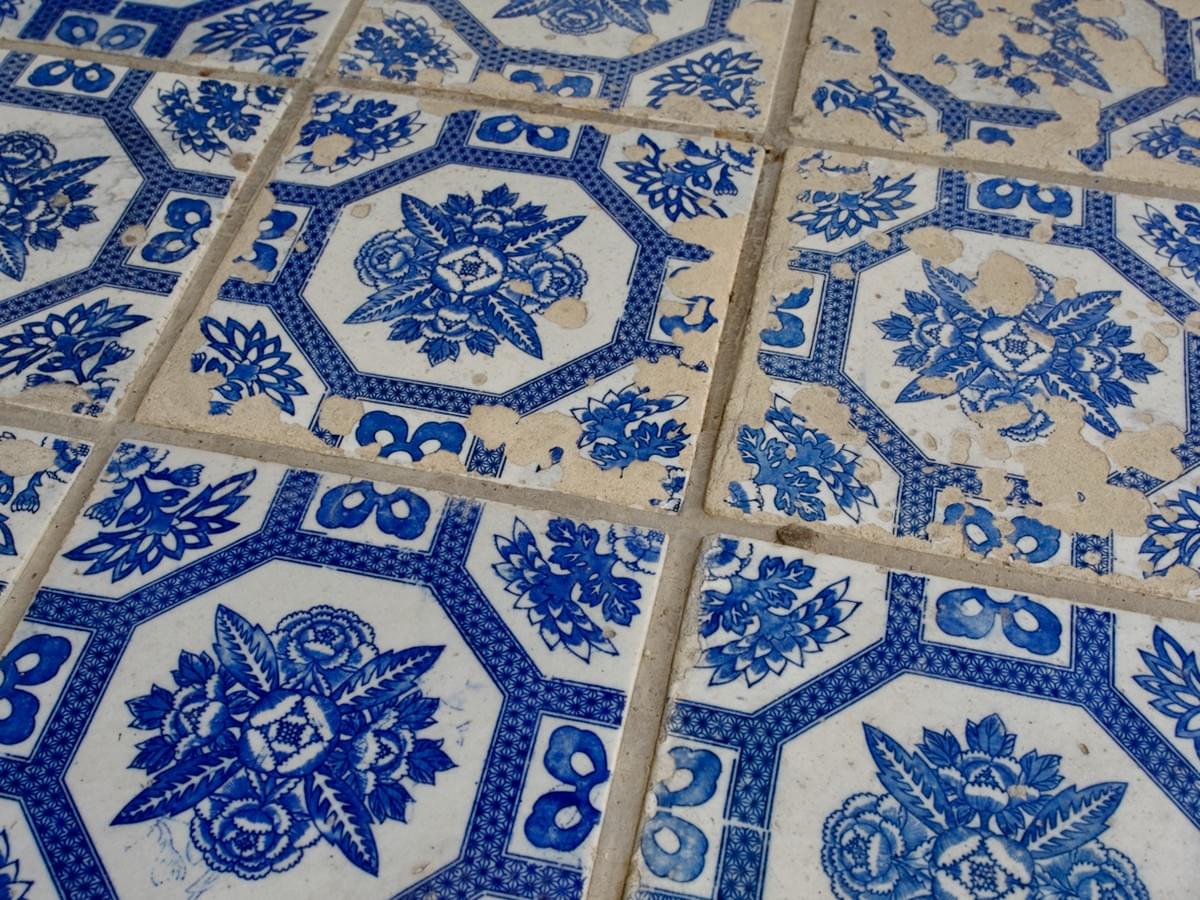
    In the study of the former Lessner House in Minamiyamate, Nagasaki, the tiles used in the entrance porch were examined closely. The study identified Minton tiles made in Britain, encaustic tiles produced by Gillot in Belgium, and polychrome glazed tiles produced by Awaji-seito on Awaji Island. The Awaji-seito tiles are especially significant, as surviving examples and documented uses are extremely rare; their discovery therefore represents an important contribution to the study of Japanese ceramic tile industrial history.

    Connecting tile research with modern life history and memories of wartime destruction

    The third distinctive feature is that this research connects tile studies with modern urban life history, the history of wartime destruction, and local history.

    In the study of tile fragments scattered along the riverbed and embankments of the Tenma River in Hiroshima, wet-pressed tiles, dry-pressed hard ceramic tiles, and postwar porcelain mosaic tiles were collected, classified, and examined in terms of their possible origins. The research site is located approximately one kilometre from the hypocentre of the atomic bombing, in an area that was completely burned and destroyed. The study suggests that tiles once used in prewar buildings may have been discarded into the riverbed and embankments through the processes of atomic-bomb destruction, wartime building demolition, and postwar debris disposal.

    This research shows that even in places where written records and testimonies are scarce, traces of lost living spaces can be reconstructed through construction debris and tile fragments.

    タイルを「移動する物質文化」として読む

    この研究の第一の特色は、タイルを建築装飾の一部としてではなく、近代における産業製品の移動、消費、再利用、廃棄をたどる物質文化資料として扱う点にある。

     ザンジバル研究では、大正期から昭和戦前期に淡路島、名古屋、岐阜などで生産された日本製マジョリカタイルが、東アフリカの墓地、ホテル、家具、骨董市場に残存していることを確認した。墓地に残るタイルの裏型や製造者印から、佐藤化粧煉瓦工場などの製品が特定され、20世紀前半のザンジバルに日本製タイルが実際に流通・使用されていたことが論証された。

    「タイル考古学」による製造地・年代・使用状況の同定

    第二の特色は、タイルを考古資料として扱い、文様や表面装飾だけでなく、裏型・成形技術・寸法・厚み・刻印・施工痕・剥離痕を詳細に記録する方法である。

     長崎市南山手の旧レスナー邸調査では、玄関ポーチに用いられたタイルを詳細に観察し、イギリス製ミントンタイル、ベルギー製ジロー社の象嵌タイル、そして淡路島の淡路製陶による多彩施釉タイルを確認した。とくに淡路製陶のタイルについては、現存例・使用例がきわめて少なく、日本のタイル工業史研究において重要な発見と位置づけられる。

    近現代生活史と戦災記憶への接続

    第三の特色は、タイル研究を近現代の都市生活史、戦災史、地域史に接続していることである。

     広島市天満川の河床・堤防に散布するタイル片の研究では、湿式成型タイル、乾式成型の硬質陶器タイル、戦後の磁器モザイクタイルを採集・分類し、その由来を検討した。調査地点は原爆爆心地から約1kmの全焼全壊地域に位置し、戦前の建築物に使用されていたタイルが原爆被災や建物疎開、戦後の瓦礫処理の過程で河床・堤防に投棄された可能性が示された。

     この研究は、文字資料や証言が乏しい場所においても、建築瓦礫やタイル片を通じて、失われた生活空間の痕跡を復元しうることを示している。

    Research Framework and Characteristics of the Collaboration

    A key feature of this research portfolio is that it has developed as an interdisciplinary collaboration between Ken Masuda and Akihiko Fukai.

    As a social anthropologist specializing in Africa, Masuda has long been interested in the movement of objects, living spaces, local history, trade history, and memory. In the Zanzibar study, he focused on the “exchange of objects,” an aspect that had received relatively little attention in the history of Japan–Africa relations, and positioned Japanese tiles as material culture that circulated across the Indian Ocean world.

    Akihiko Fukai is a leading scholar of “tile archaeology,” an approach that treats modern tiles as archaeological materials. In particular, through his chronological study of Danto tiles based on back moulds, as well as his analyses of manufacturing techniques and makers’ marks, he has established methods for identifying the production dates and production sites of tiles. In the studies of Zanzibar, Nagasaki, and Hiroshima as well, the analyses of back moulds, back ribs, marks, dimensions, glazes, and manufacturing techniques rely heavily on Fukai’s archaeological expertise.

    In this collaborative research, Masuda is primarily responsible for fieldwork and for contextualizing the materials in relation to local history, material culture theory, trade history, and life history, while Fukai is responsible for the classification, chronological analysis, identification of manufacturers, and archaeological description of tile materials. Through this collaboration, tiles are repositioned not simply as decorative objects, but as materials through which the dynamics of modern society can be understood.

    この研究ポートフォリオの重要な特徴は、増田 研と深井明比古氏による、分野横断的な共同研究として展開している点にある。

     増田は、アフリカを専門地域とする社会人類学者として、モノの移動、生活空間、地域史、交易史、記憶の問題に関心を寄せてきた。ザンジバル研究では、日本―アフリカ交流史において従来手薄であった「モノの交流」に着目し、日本製タイルをインド洋世界に広がる物質文化資料として位置づけた。

     深井明比古氏は、近代タイルを考古資料として扱う「タイル考古学」の中心的研究者である。とくに淡陶社製タイルの裏型編年、成形技術、製造者刻印の分析を通じて、タイルの製造年代や製造地を同定する方法を確立してきた。ザンジバル、長崎、広島の各研究においても、裏型・裏あし・刻印・寸法・施釉・成形技術の分析は、深井氏の考古学的知見に大きく支えられている。

     この共同研究では、増田がフィールドワーク、地域史、物質文化論、交易史・生活史の文脈化を担い、深井氏がタイル資料の分類、編年、製造者同定、考古学的記載を担うことで、タイルを単なる装飾品ではなく、近代社会の動態を読み解く資料として再定位している。

    Methodological Contributions

    The methodological contributions of the Masuda–Fukai collaboration can be summarized as follows.

    Practical development of tile archaeology
    Their research applies the tile archaeology proposed by Akihiko Fukai to the study of overseas distribution history, modern architectural history, and the life history of war-damaged areas.

    Collaboration between anthropology and archaeology
    The research combines Masuda’s perspectives from material culture studies, area studies, and fieldwork with Fukai’s methods of archaeological classification, chronological analysis, and manufacturer identification.

    Reading the “back side,” not only the surface
    The research emphasizes not only tile patterns, but also back moulds, makers’ marks, mortar, traces of adhesion, and traces of removal, in order to reconstruct production sites, production dates, and conditions of use.

    Discovering materials in non-typical research sites
    The project identifies materials relevant to modern history in places not usually regarded as archaeological sites, such as cemeteries, Western-style houses, riverbeds, embankments, antique shops, and hotels.

    Potential application to cultural heritage conservation
    In the study of the former Lessner House, the research documented the damaged condition of the tiles and provided basic data necessary for their conservation and restoration.

    増田・深井共同研究の方法論上の貢献は、以下の点にある。

    1. タイル考古学の実践的展開

    深井明比古氏が提唱してきたタイル考古学を、海外流通史、近代建築史、戦災地の生活史研究に応用している。

    2. 人類学と考古学の協働

    増田の物質文化論・地域研究・フィールドワークの視点と、深井氏の考古学的分類・編年・製造者同定の方法を組み合わせている。

    3. 表面ではなく「裏側」を読む方法

    タイルの文様だけでなく、裏型、刻印、モルタル、接着痕、剥離痕を重視し、製造地・製造年代・使用状況を復元している。

    4. 非典型的な調査地から資料を見いだす力

    墓地、洋館、河床、堤防、骨董店、ホテルなど、通常の考古遺跡とはみなされにくい場所から近代史の資料を発見している。

    5. 文化財保存への応用可能性

    旧レスナー邸調査では、タイルの損傷状況を記録し、保存・修復に必要な基礎資料を提示している。

    Cookie Use
    We use cookies to ensure a smooth browsing experience. By continuing we assume you accept the use of cookies.
    Learn More